
Many patients want straighter teeth but feel hesitant about wearing traditional metal braces. Clear aligners offer a discreet, removable alternative that can correct many common alignment concerns while fitting comfortably into work, school, and social routines.
For people considering clear aligners in Los Angeles, CA, understanding the process is an important first step. Although aligners may look simple, successful treatment requires careful planning, consistent wear, and professional monitoring. This guide explains what patients can expect and how a dental or orthodontic evaluation helps determine whether aligners are the right choice.
This article provides general educational information and is not a substitute for an examination or personalized advice from a dentist or orthodontist.
What Are Clear Aligners?
Clear aligners are thin, transparent trays made to fit over the teeth. Instead of using brackets and wires, treatment relies on a planned series of trays. Each set applies gentle, controlled pressure to selected teeth, gradually guiding them toward their planned positions.
Patients usually move to a new set on a schedule provided by their dental professional. The exact schedule depends on the treatment plan and how the teeth respond. Some patients also need small, tooth-colored attachments placed on certain teeth. These attachments give the trays additional grip when a tooth needs a more precise movement.
According to the Cleveland Clinic, aligner treatment is planned using images and dental impressions or scans that map the intended movement of each tooth. Follow-up visits allow the treating professional to check the fit and confirm that treatment is progressing appropriately.
What Dental Concerns Can Clear Aligners Address?
Clear aligners may be suitable for mild to moderate orthodontic concerns, including:
- Crowded or overlapping teeth
- Spaces or gaps between teeth
- Teeth that shifted after previous orthodontic treatment
- Certain overbites, underbites, or crossbites
- Minor tooth rotations or alignment problems
Not every bite can be treated predictably with aligners alone. Significant jaw discrepancies, severely rotated teeth, complex bite problems, or teeth requiring large movements may respond better to braces or another orthodontic approach. In some cases, a provider may combine different techniques.
An in-person examination is essential because straightening teeth is about more than appearance. The roots, gums, jawbone, and way the upper and lower teeth meet must all be considered before treatment begins.
Who May Be a Good Candidate?
A good candidate generally has healthy teeth and gums, a concern that aligners can reasonably correct, and the ability to follow the wear schedule. Because the trays are removable, patient participation plays a major role in the result.
Clear aligners may appeal to adults and responsible teenagers who:
- Want a less noticeable orthodontic option
- Can remember to wear and replace the trays as instructed
- Prefer to remove their orthodontic appliance for meals
- Are willing to attend regular progress appointments
- Can maintain consistent brushing and flossing habits
Active tooth decay or gum disease usually needs attention before teeth are moved. Existing crowns, bridges, implants, missing teeth, or previous dental work do not automatically rule out treatment, but they can affect planning. A comprehensive evaluation helps the provider account for these factors.
What Happens During Clear Aligner Treatment?
1. Consultation and oral health evaluation
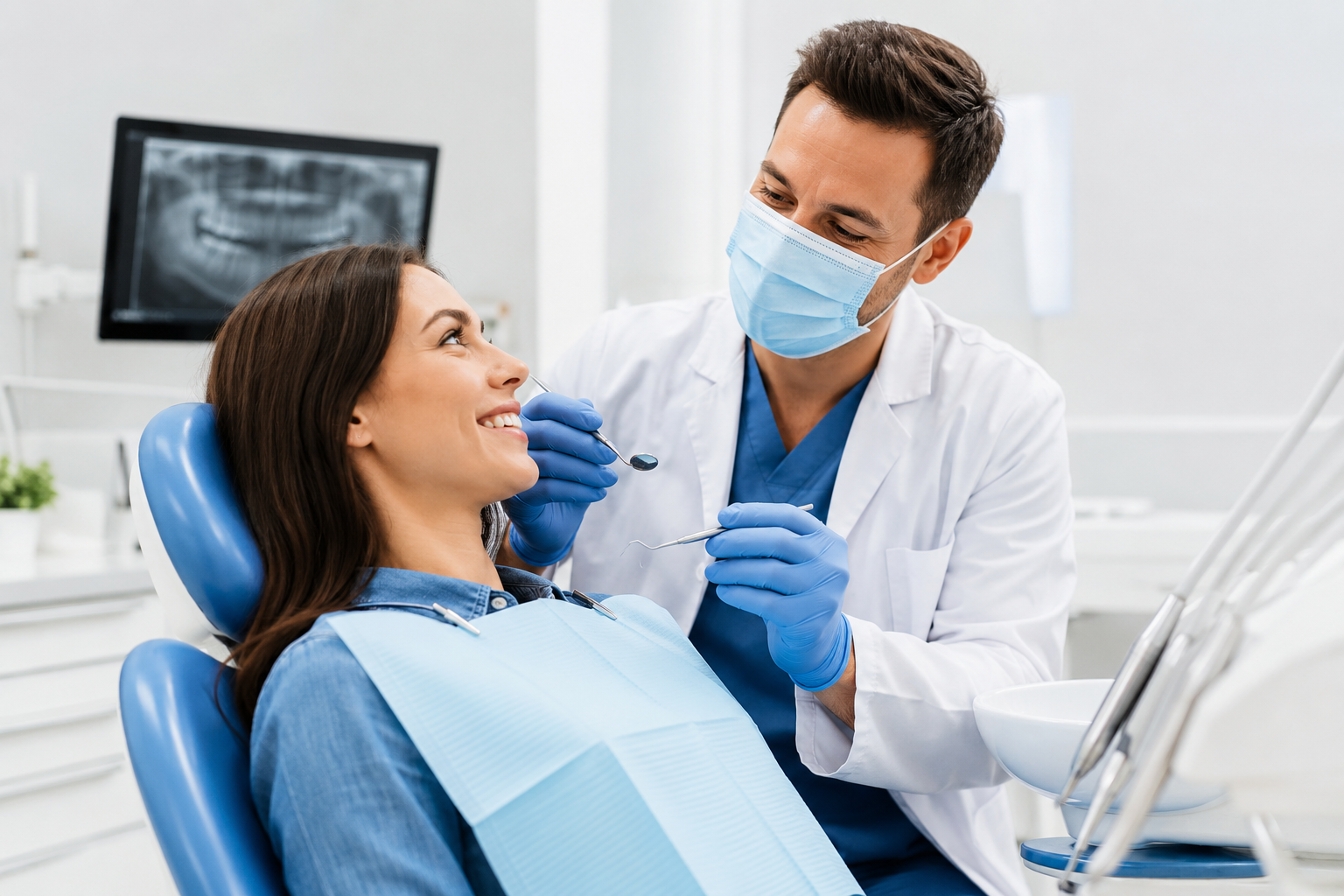
The first visit typically includes a discussion of the patient’s goals and an examination of the teeth, gums, and bite. The provider may recommend X-rays, photographs, and a digital scan. These records help identify concerns that may not be visible during a basic visual examination.
At Trusted Dental & Orthodontics, patients can receive an orthodontic consultation to compare clear aligners with braces and ask questions before deciding how to proceed.
2. Digital treatment planning
If aligners are appropriate, the provider creates a customized plan showing how the teeth should move. Patients may be able to preview a digital representation of the proposed changes. This simulation is a planning tool rather than a guarantee of an exact cosmetic result, since biological response and daily wear can influence progress.
3. Receiving the aligners
Once the trays are ready, the dental team checks their fit and explains how to insert, remove, clean, and store them. Tooth-colored attachments may be added when the treatment plan requires them.
Patients commonly notice pressure or tenderness after starting a new tray. This usually reflects the force being applied to move the teeth. Sharp pain, significant swelling, a tray that does not fit, or worsening bite problems should be reported to the treating provider rather than ignored.
4. Progress visits
Periodic appointments let the provider confirm that the teeth are tracking with the digital plan. If movement differs from what was expected, the plan may need an adjustment or a new scan. Additional trays, sometimes called refinements, may be recommended near the end of treatment.
5. Retention after treatment
Teeth can shift after active orthodontic treatment. A retainer helps maintain their new positions while the surrounding tissues adapt. Patients should follow their provider’s instructions about how often and how long to wear it. Skipping retention can allow some of the original crowding or spacing to return.
How Many Hours a Day Are Aligners Worn?
Clear aligners only work while they are on the teeth. The Cleveland Clinic notes that patients may be instructed to wear them for approximately 22 to 23 hours per day, removing them mainly for meals and oral hygiene. An individual provider’s instructions may differ, so patients should follow their own treatment plan.
Frequent removal can slow progress or cause the next tray to fit poorly. It helps to build a routine: place the trays in their case during meals, brush before reinserting them, and use phone reminders when needed.
Eating, Drinking, and Cleaning With Aligners
Aligners should generally be removed before eating. Patients can enjoy most foods because there are no brackets or wires to damage, but they should clean their teeth before putting the trays back in. Trapping food or sugary liquid under an aligner can increase the time teeth are exposed to cavity-causing conditions.
Plain water is typically the safest beverage while the trays are being worn. Hot drinks may distort the plastic, while coffee, tea, red wine, and other colored beverages can stain it. Patients should follow the specific care instructions supplied with their aligner system.
To keep trays fresh, patients can rinse them with cool or lukewarm water and clean them using the recommended products. Hot water, abrasive toothpaste, and harsh household cleaners may scratch or damage the material.
Clear Aligners Versus Traditional Braces
Neither option is automatically better for every patient. Clear aligners are removable and less visible, which can make eating and oral hygiene more convenient. However, they require strong daily compliance and may not be ideal for every complex movement.
Traditional braces stay on the teeth and work continuously. They may provide more predictable control in certain complicated cases, but patients must clean carefully around brackets and follow food restrictions.
The most suitable choice depends on the bite, treatment goals, lifestyle, and willingness to follow instructions. A professional assessment allows patients to compare these factors instead of choosing solely on appearance.
How Long Does Clear Aligner Treatment Take?
Treatment length varies significantly. A small amount of tooth movement may take less time than correcting several crowded teeth or a complex bite. The number of trays, biological response, consistent wear, missed appointments, and the need for refinements can all affect the schedule.
Rather than relying on a general online estimate, patients should request a personalized timeline after diagnostic records are reviewed. Even then, the estimate may change if teeth do not move exactly as planned.
How Much Do Clear Aligners Cost in Los Angeles?
The cost of clear aligners in Los Angeles depends on the complexity of the case, the anticipated length of treatment, the number of trays required, and whether refinements and retainers are included. Provider experience and the type of aligner system may also affect the fee.
Before accepting treatment, patients should ask for a written estimate that explains:
- What diagnostic records are included
- Whether progress visits are part of the fee
- Whether additional refinement trays are covered
- Whether retainers are included
- What insurance or financing options may be available
Some PPO dental plans include an orthodontic benefit, although coverage limits and eligibility rules vary. The dental office can help verify benefits, but patients should also review their plan documents for exclusions, waiting periods, and lifetime maximums.
Why In-Person Monitoring Matters
Mail-order options may seem convenient, but moving teeth affects the entire bite as well as the supporting bone and gums. An in-person provider can evaluate oral health before treatment, review appropriate diagnostic records, and monitor changes along the way.
Professional supervision also gives patients someone to contact if a tray breaks, an attachment comes off, the aligners stop fitting, or unexpected discomfort develops. These check-ins are not simply administrative—they help the provider identify when the plan may need to change.
Frequently Asked Questions About Clear Aligners
Are clear aligners painful?
Patients may feel pressure or mild tenderness when beginning a new tray. The sensation often becomes more manageable as the mouth adjusts. Sharp, severe, or persistent pain is not something a patient should simply push through; the treating dentist or orthodontist should evaluate it.
Will clear aligners affect speech?
A slight lisp can occur when treatment begins because the tongue is adapting to the trays. Many patients find that speech improves with practice. If a change persists or an aligner feels unusually bulky, the provider can check its fit.
Can patients smoke or vape while wearing aligners?
Smoking can discolor trays and is harmful to oral and overall health. Vaping may also expose the mouth to heat and chemicals. Patients who smoke or vape should discuss cessation support and aligner care with a dental professional.
Can someone switch from braces to clear aligners?
Sometimes. Whether a switch makes sense depends on the remaining tooth movements, bite, and stage of treatment. The orthodontic provider must evaluate the case before recommending a change.
What happens if an aligner is lost?
The patient should contact the dental office promptly. Depending on the treatment stage, the provider may recommend wearing the previous tray, moving to the next one, or ordering a replacement. Patients should not guess, because using the wrong tray can interfere with planned movement.
Are results permanent?
Teeth naturally tend to shift over time, so retention is an essential part of maintaining alignment. Wearing the prescribed retainer and attending recommended dental visits can help protect the result, although no provider can guarantee that teeth will never move.
Explore Clear Aligners in Los Angeles, CA
Clear aligners can provide a comfortable and discreet path toward a straighter smile, but the best treatment begins with a careful examination. Patients benefit from knowing whether their teeth and gums are healthy, which movements are realistic, and how aligners compare with braces for their particular bite.
Trusted Dental & Orthodontics offers clear aligner and orthodontic consultations at 1565 S. Western Ave, Los Angeles, CA 90006. Patients can ask questions, review their options, and receive a personalized recommendation without assuming that one treatment fits every smile. To take the next step, contact Trusted Dental or call (213) 731-2210 to request an appointment.