Phase 1 treatment addresses certain bite, space and habit problems while a child's jaws are still growing — typically between ages 7 and 10. Dr. Nourian uses early interceptive orthodontics when the timing may make later treatment simpler.
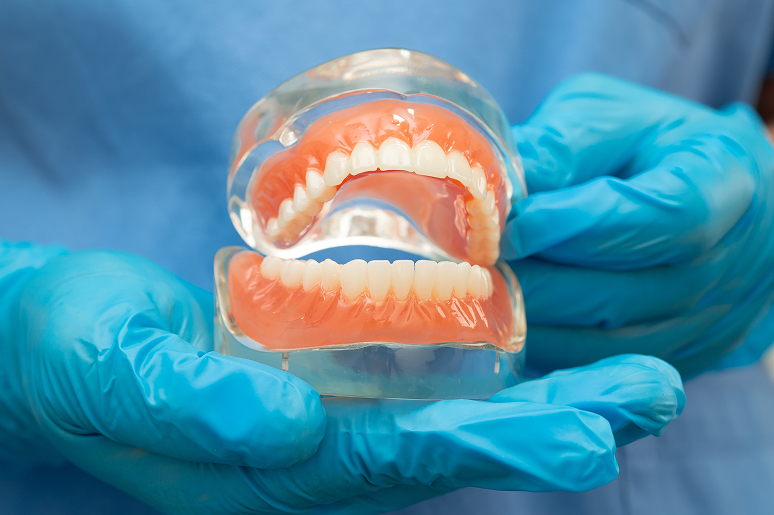
WHAT PHASE 1 TREATS
Phase 1 is a limited, targeted stage of orthodontic care during the mixed-dentition years, when a child has both baby and permanent teeth. Its goal isn't a finished smile; it's to correct or improve specific problems while the jaws are still growing and may respond more readily to guidance.
Problems often considered for Phase 1 include crossbites, crowding or lack of space for incoming teeth, underbites, a narrow upper jaw, and habits like thumb-sucking. Addressing these early may reduce the need for tooth extractions or a longer Phase 2 in some cases, though every child is different.
PHASE 1 APPLIANCES
Not every child needs an appliance. When one is recommended, it's chosen to address a specific developing problem.
Used to gradually widen a narrow upper jaw, which may help correct a crossbite and make more room for permanent teeth.
Hold open the space left by a baby tooth lost too early, so nearby teeth are less likely to drift into it.
Help discourage thumb-sucking or tongue-thrusting habits that may affect how the teeth and jaws develop.
Braces placed on a few teeth to address a specific crowding or alignment concern without full comprehensive treatment.
Functional appliances that may help guide how the upper and lower jaws relate to each other while a child is still growing.
After active Phase 1 care, Dr. Nourian keeps checking development until your child is ready to be evaluated for Phase 2.
WHY TIMING MATTERS
Some problems are easier to address while the jaws are still growing. A narrow upper jaw, for example, is often more responsive to expansion in younger children than after growth slows. Treating at the right time may make a later phase of treatment shorter or simpler, although results vary by child.
Starting too early isn't helpful either, which is why many children are monitored before any appliance is placed. Dr. Nourian weighs your child's age, growth and specific problem before recommending Phase 1, and will tell you if waiting is the better option.
WHY CHOOSE US
Dr. Nourian provides early (Phase 1) interceptive treatment for children about 7 to 10 and explains every recommendation in plain language.
Dr. Nourian earned his DDS at USC and completed a two-year residency in orthodontics and dentofacial orthopedics.
We recommend Phase 1 only when it's likely to help. If monitoring makes more sense, we'll tell you directly.
We verify PPO benefits and file claims, and offer CareCredit, Sunbit, Cherry and in-house payment plans for qualifying treatment.
Between Phase 1 and Phase 2, we follow your child's growth so the next step can start at an appropriate time.
COMMON QUESTIONS
Questions Los Angeles parents ask about Phase 1 interceptive orthodontic treatment.
Often, yes. Many children who have Phase 1 treatment still benefit from Phase 2 braces or aligners once their permanent teeth are in, usually in the early teens. Phase 1 may make that second phase simpler, but it doesn't always replace it.
It varies by child and by appliance. Active Phase 1 treatment often lasts from several months to about a year, sometimes followed by a period of holding or monitoring. Dr. Nourian will give you an estimated timeline for your child's specific plan.
Usually the ones that may get harder to correct as the jaws grow, such as some crossbites, a narrow upper jaw, underbites, severe crowding, and early loss of baby teeth. Many other alignment concerns can wait until the permanent teeth are in. Dr. Nourian will explain which group your child's case falls into.
Most children feel some pressure for a few days after an expander is placed or adjusted, and speaking or eating may feel different at first. These effects usually ease as your child gets used to it. We'll explain how to care for the appliance and what to expect at home.
Book a free orthodontic evaluation with Dr. Nourian at Trusted Dental & Orthodontics in Los Angeles. He'll explain whether early treatment or monitoring is the right next step.