A dental bridge fills the space left by one or more missing teeth with a fixed restoration anchored to neighboring teeth or dental implants. At our Los Angeles office, Dr. Tyler Ghadoushi will help you decide whether a bridge is the right way to restore your bite and smile.
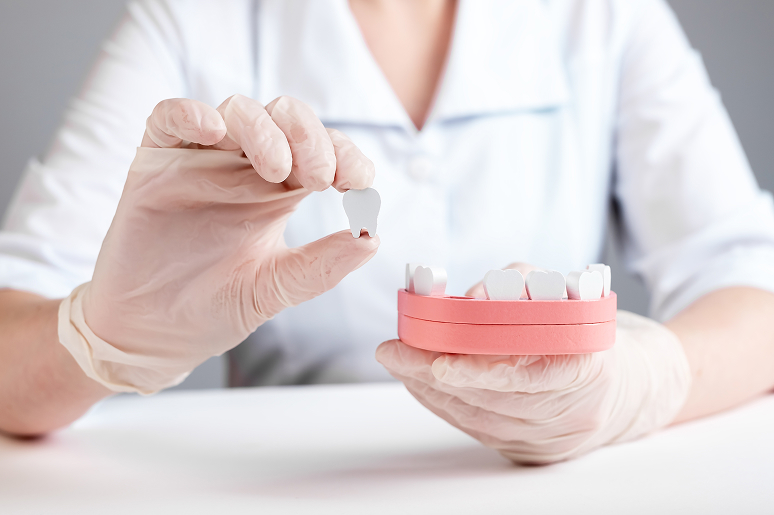
WHY REPLACE MISSING TEETH
When a tooth is lost, the teeth beside it can gradually tip or drift into the space, and the opposing tooth may shift out of position. Chewing often moves to one side, which can put extra stress on other teeth. Over time, the bone where the tooth used to be may also shrink.
A bridge fills the gap with a replacement tooth (called a pontic) that is fixed in place, which can help keep neighboring teeth where they belong and make chewing feel more even.
BRIDGE OPTIONS
The right design depends on where the gap is, how many teeth are missing, and the health of the teeth and bone around it. Dr. Ghadoushi will explain the options that fit your situation.
The most common design. Crowns are placed on the healthy teeth on each side of the gap, and a replacement tooth is attached between them.
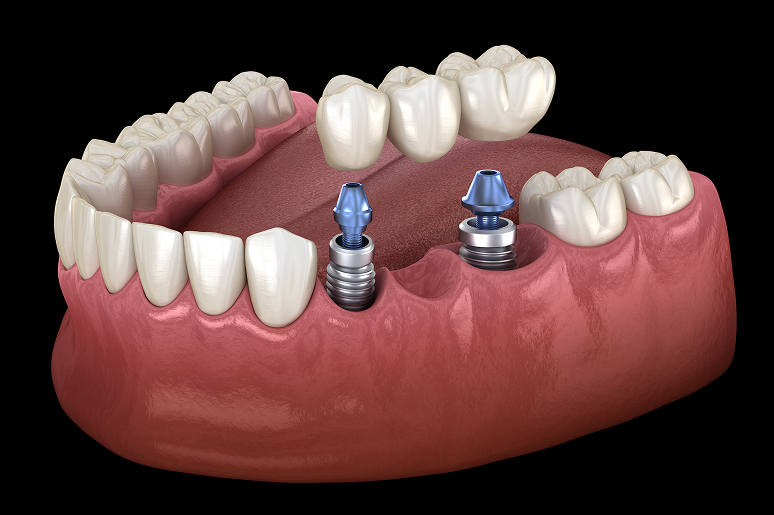
Instead of relying on natural teeth, the bridge is supported by dental implants. This avoids crowning neighboring teeth and is often used when several teeth in a row are missing.
Used when there is a supporting tooth on only one side of the gap. It is suited to a limited set of situations because the single anchor tooth carries more of the load.
A conservative option for some front-tooth gaps: a framework is bonded to the backs of neighboring teeth, which usually means little or no reshaping of those teeth.
THE BRIDGE PROCESS
A traditional bridge usually takes two visits. At the first, Dr. Ghadoushi numbs the area, reshapes the anchor teeth so they can hold crowns, takes a digital scan, and places a temporary bridge to protect the teeth while your bridge is being made.
At the second visit, typically a few weeks later, the bridge is tried in and checked for fit, shade, and bite before it is cemented in place. Timing varies, and implant-supported bridges follow a longer schedule because the implants need time to heal first.
OUR APPROACH
A bridge has to fit the gap, work with your bite, and be easy to keep clean. These are the steps we take to plan it carefully.
We use digital intraoral scans instead of putty impressions, which many patients find more comfortable and which give the lab a detailed model of your teeth.
Bridges are made from tooth-colored ceramic materials chosen for strength and appearance, then shaded to blend with your neighboring teeth.
We check how your teeth meet so the bridge shares chewing forces evenly and doesn't put extra strain on the anchor teeth.
We accept most PPO plans and can verify your benefits and estimate your costs up front. Financing options are also available.
COMMON QUESTIONS
Answers to common questions about replacing missing teeth with a bridge at our Los Angeles office.
Many bridges last for years, and some last well over a decade. The lifespan varies by patient and depends largely on keeping the anchor teeth and gums healthy, which means daily cleaning under the bridge and regular checkups.
Both can replace a missing tooth well. An implant replaces the root and doesn't involve the neighboring teeth, while a bridge avoids surgery and is often completed sooner. Dr. Ghadoushi will look at your bone, gums, and neighboring teeth and explain the trade-offs for your case.
Because the replacement tooth sits just above the gum, food can collect underneath it. Use a floss threader or special bridge floss to pass floss under the pontic once a day, and a water flosser can help too. We'll show you how at your bridge appointment.
Bridges are shaped and shaded to blend with your neighboring teeth. We check the color and fit before the bridge is cemented, so you can see how it looks before treatment is finished.
The anchor teeth are numbed with local anesthesia before they are prepared, so most patients feel pressure rather than pain. Some sensitivity for a few days after each visit is common and usually fades. Nitrous oxide is available if you feel nervous.
Many PPO plans include some coverage for bridges, but benefits and waiting periods vary from plan to plan. Our team can verify your benefits and give you a written estimate before treatment begins.
Often, yes. Because the anchor teeth are covered with crowns, teeth with existing fillings can make good supports as long as they and the surrounding gums and bone are healthy. Your dentist will check them with an exam and X-rays first.
If you have a gap in your smile, visit our Los Angeles office to find out whether a bridge, an implant, or another option is the best fit for you.